Activity holidays in the Ardeche, France
Experience Ardeche Ltd is a small, independent company specialising in two-day guided river trips through the spectacular Ardeche gorge in Southern France. We believe that this is the best way to discover the Ardeche river because it enables you to explore hidden secrets and experience all it has to offer.
We have lived and breathed the gorge for over twenty years and are all very passionate about sharing this knowledge and experience with others. Our aim is to provide personalised and memorable Ardeche holiday experiences that are tailored for you. We want you to come away from the Ardeche loving it as much as we do…if that’s possible!
We’ve organised activity holidays for families, schools, scout groups and British armed forces as well as team building events for a range of private sector companies.
Select an option for more details...

What we offer
River Trips...
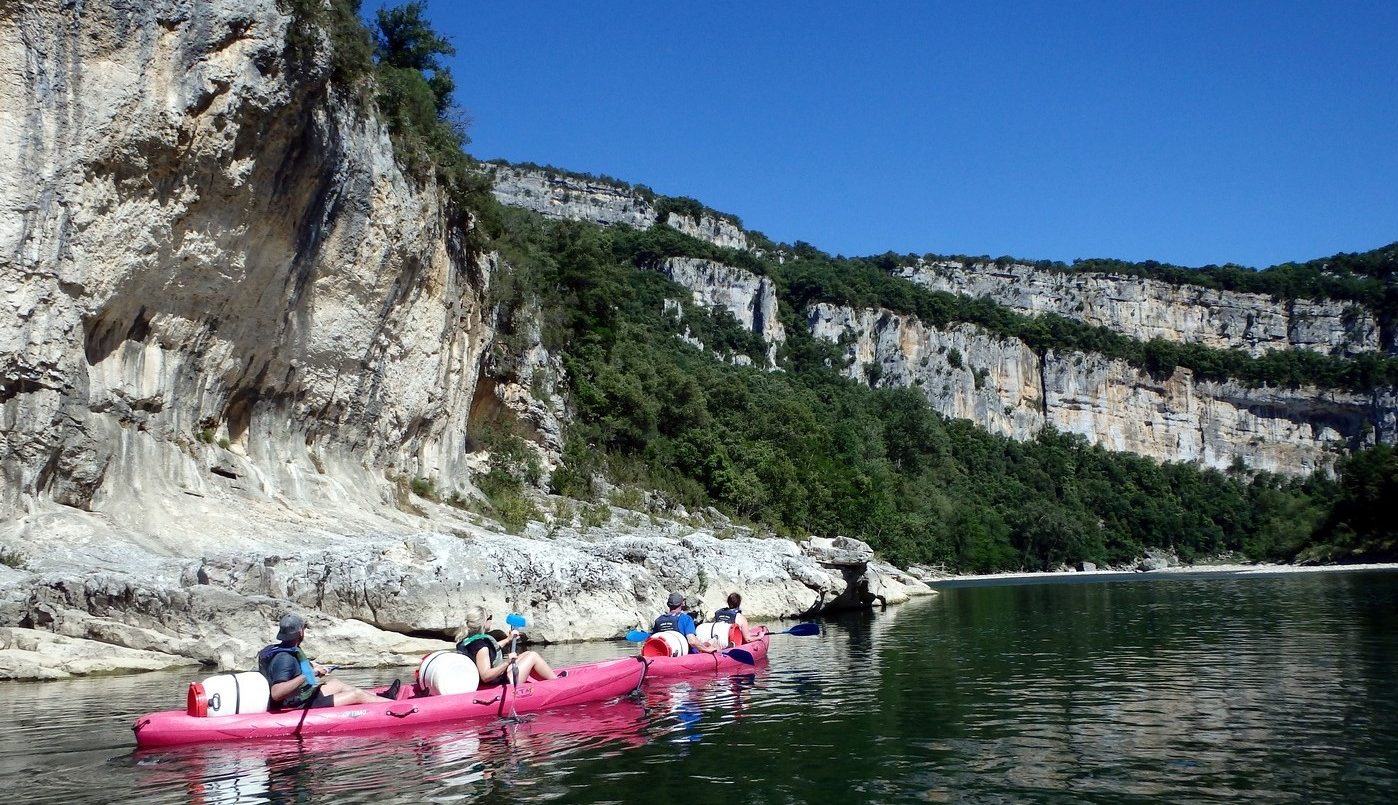
We offer both guided and unguided two-day Ardeche river trips as well as a selection of short breaks which include accommodation. Our most popular holiday is our river package, which includes 7 nights accommodation at one of our carefully selected locations, plus the two-day guided river trip through the Ardeche Gorge with overnight bivouac camp.
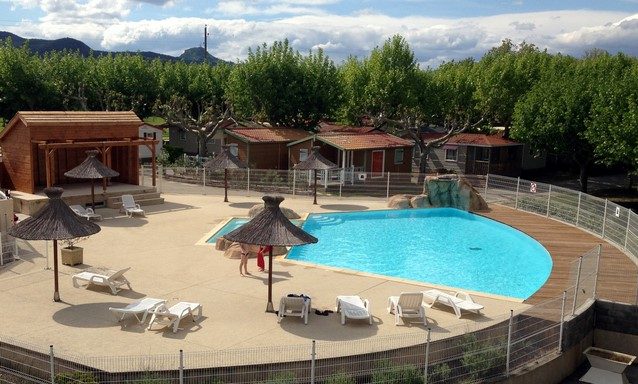
Whether you prefer to camp, glamp or stay in a hotel, we have a range of accommodation to choose from.
Multi-Activity Holidays...
The river package also gives you the option to include extra activities (canyoning, climbing, via-ferrata, and caving options available) enabling you to create a bespoke, multi-activity holiday that works for you. Tell us what you want and we’ll have everything organised by the time you arrive. All you’ll need to do is unpack and open that bottle of red. Voila!
Tailor-made / Bespoke holidays...
Looking for something a little bit different? Have a look at the ‘bespoke bookings’ section of the website. Whatever your requirements, we can develop a personalised package to meet your needs. Whether your group is small or large, whether you want to stay for a couple of days or a couple of weeks, whether you want to sleep in hammocks under the stars or in high-end lodges…we can make it happen!
Canoe courses / Training...
We also provide training for open canoeists with our Introduction to white-water canoeing course or a private coaching option. These courses will develop your ability to handle an open canoe effectively on both flat and white water (grade 2). Learn how to read the river, practice rescue techniques and generally become a better paddler with personal guidance from some of the most experienced and qualified guides in the region.
Brexit / Covid-19 Travel Advice
For current travel advice to Europe after 31 Jan 2020 please see our BREXIT ADVICE. This has been updated to include information regarding travel into Europe after 1 Jan 2021 based on the latest information.
For updates regarding travel advice and COVID-19 measures/restrictions, visit www.gov.uk/foreign-travel-advice/france and https://travelaware.campaign.gov.uk. We recommend that you consult these websites before booking to make an informed decision and again before departure.

Our 'deche...
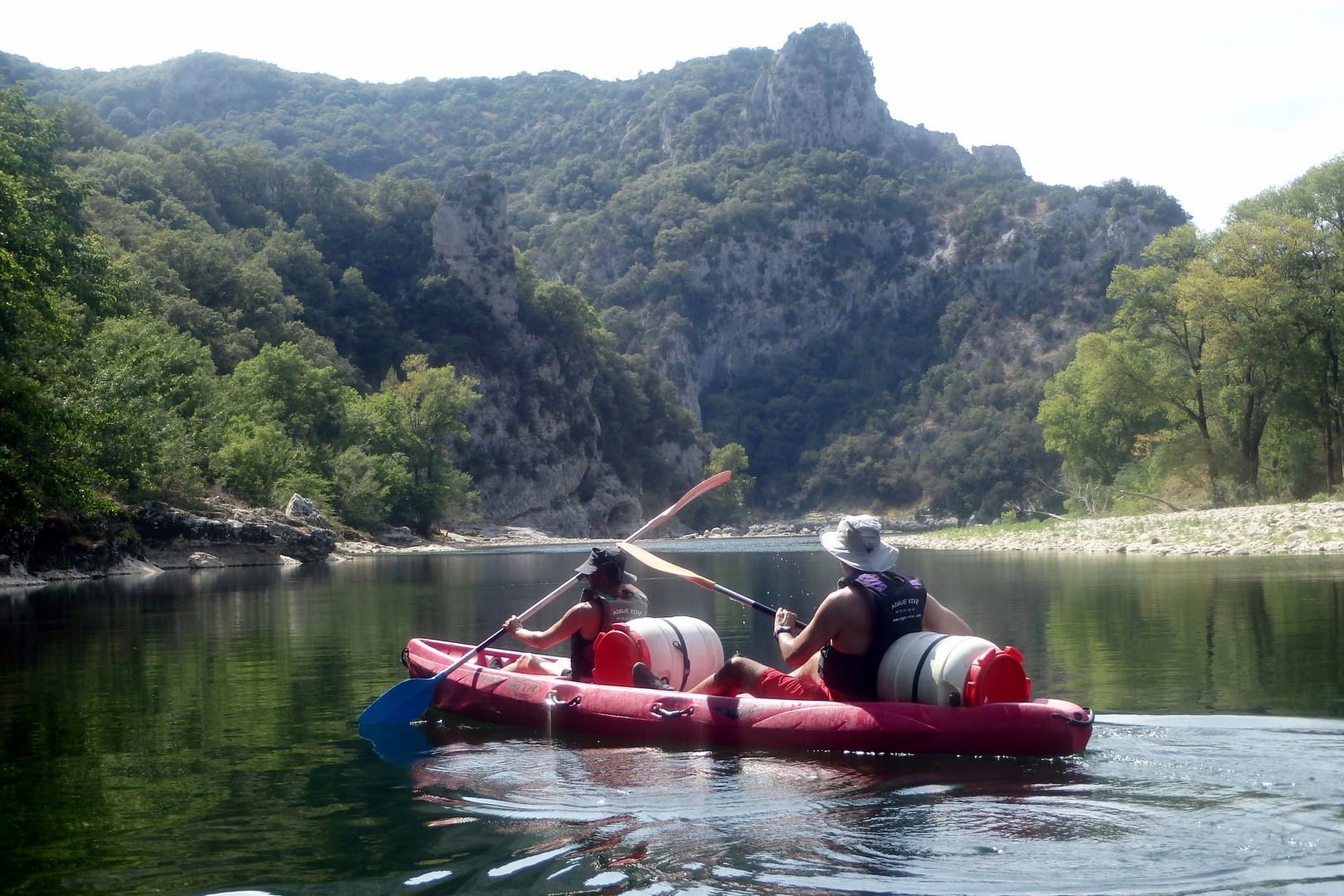
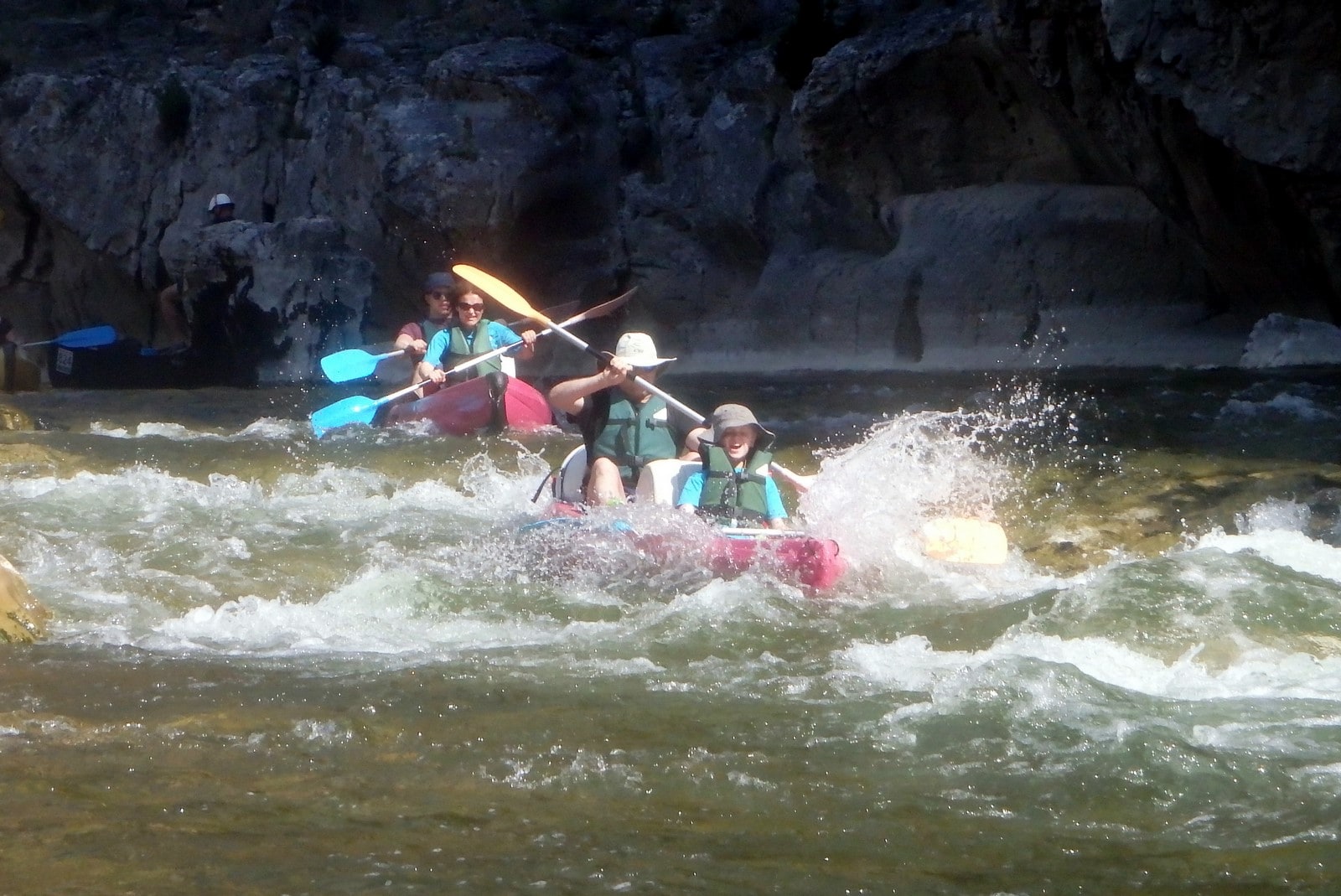
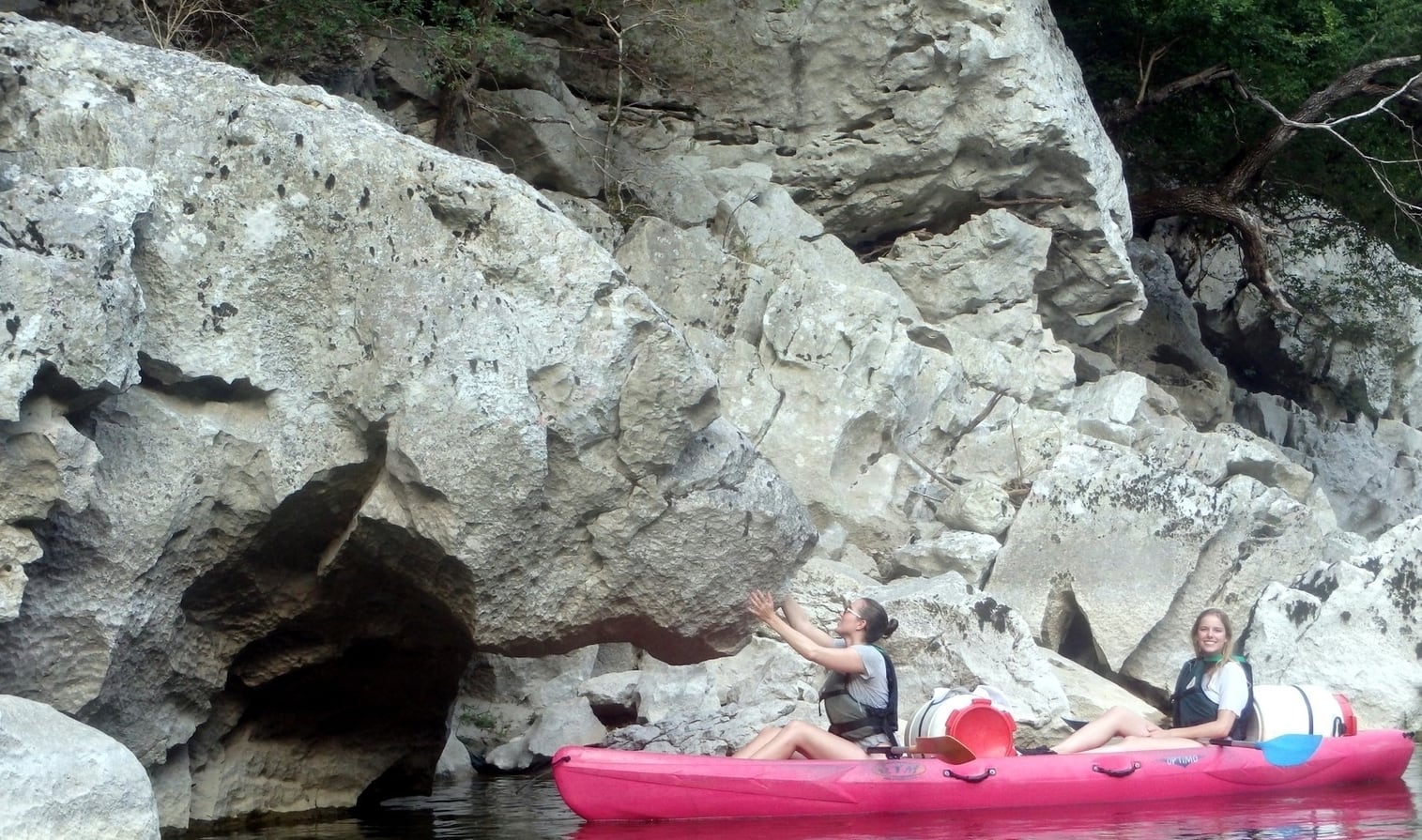
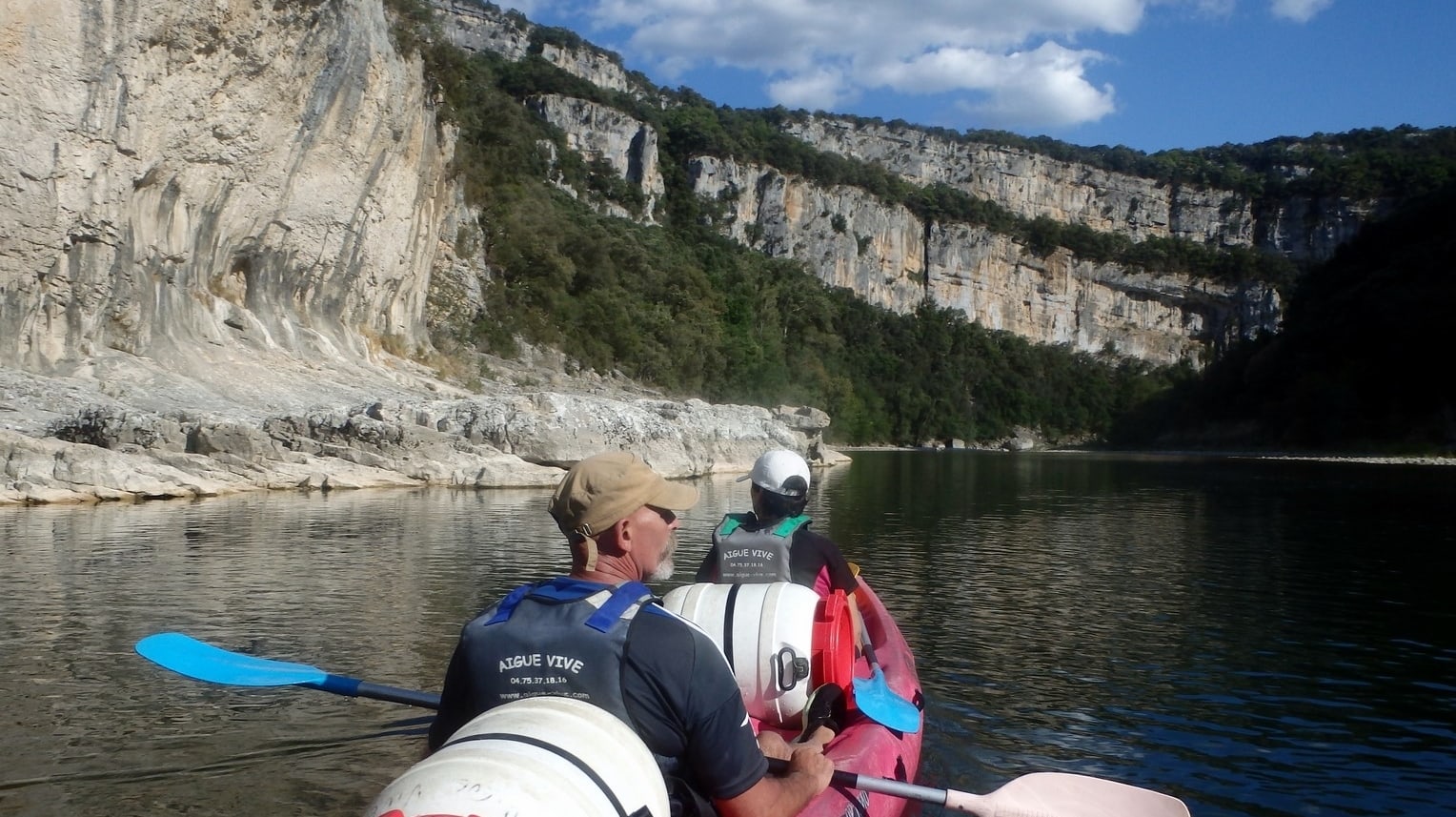
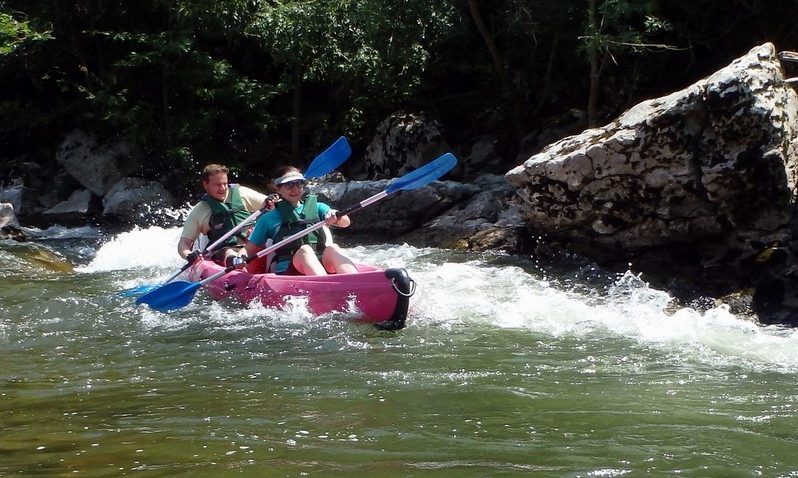
Paddling the Ardeche is an experience you won’t forget. The 32km journey through the nature reserve takes you under the breathtaking Pont d’Arc, recently classified as a UNESCO World Heritage Site, and past limestone walls reaching up to 1000ft on either side. The river is a wonderful combination of exciting rapids (30 in total – grade 2) and peaceful flat sections where you can take in the immense nature and history that surrounds you.
There is an abundance of wildlife along the river. It is quite likely that you will spot birds of prey such as the Black Kite, the Bonelli’s Eagle or the Egyptian Vulture during your two-day river trip and with a bit of luck you might even see beavers and otters. And it’s almost certain that you’ll see some wild boar at the bivouac site when they come to do their evening rounds!